Blog / · 7 min read
TikTok ads targeting: every option and how Smart+ changes it
 Veikka Grundström Founder, upload.ad
On this page
TikTok targeting looks like Meta's at first glance: age, gender, location, interests, custom audiences. In practice it behaves differently. The interest graph is built from what people watch rather than what they declare, the platform pushes hard toward automatic targeting, and Smart+ campaigns turn most of the familiar settings into suggestions rather than rules.
Here is what every targeting option does, how custom and lookalike audiences work, what Smart+ changes, and which settings only exist in some countries.
How TikTok targeting is structured
Targeting is set at the ad group level. Two rules decide how your selections combine, per TikTok's own documentation:
- Within one dimension, selections are OR. Choosing "Beauty" and "Fitness" interests reaches people in either.
- Across dimensions, selections are AND. Adding an age range on top of those interests narrows the audience to people who match both.
Every AND you add shrinks the pool, and a smaller pool usually means pricier impressions (see TikTok ads cost). TikTok's own best practice guidance recommends broad audiences for most performance goals.
Demographics
| Option | What it does | Availability notes |
|---|---|---|
| Location | Countries, states or regions, DMAs, cities | US ZIP code targeting; postal codes in a few other markets. Locations vary by market and objective |
| Age | Brackets: 13 to 17, 18 to 24, 25 to 34, 35 to 44, 45 to 54, 55+ | Restrictions apply to under-18 audiences; many settings are unavailable for them |
| Gender | Male, female, or all | Must be "all" in special ad categories |
| Language | Language of the user's app setting | Useful in multilingual markets like Canada or the US Hispanic audience |
| Household income | Top 5%, top 10%, top 10 to 25%, or top 25 to 50% of ZIP codes | US only |
| Spending power | All users, or users who typically spend more on purchases than average | Availability varies by market |
Treat age and gender as a last resort for performance campaigns. The creative already self-selects: a video about retirement savings will not hold a 19-year-old's attention, and delivery learns that quickly.
Interests and behaviors
This is where TikTok differs most from Meta. Instead of declared interests, TikTok infers them from on-platform activity.
- Interests. Broad categories (like "Beauty & Personal Care") and more granular interest keywords, based on the content people engage with over a longer period.
- Purchase intention. People who recently engaged with content related to a product category, which signals shopping intent rather than general interest.
- Video interactions. People who watched, liked, commented on, or shared videos in a category within a recent window you choose.
- Creator interactions. People who followed or viewed the profiles of creators in a category.
- Hashtag interactions. People who viewed videos with specific hashtags.
Behaviors (the interaction-based options) use a shorter, more recent window than interests. They are a reasonable way to guide a new account, but stacking narrow behaviors is the fastest way to an ad group that cannot spend. If you are seeing that symptom, TikTok ads not spending covers the other causes.
Custom and lookalike audiences
Custom audiences are people who already know you. TikTok supports several sources:
- Customer file: hashed emails, phone numbers, or mobile ad IDs you upload. The audience needs at least 1,000 matched people before an ad group can target it.
- Engagement: people who interacted with your organic videos, ads, or LIVE content, a strong pool if you run Spark Ads from your own posts.
- Website traffic: visitors or people who fired specific events, collected by the pixel. See TikTok pixel and Events API for setting that up properly.
- App activity: people who completed events in your app.
- Lead generation: people who opened or submitted your instant forms.
- Business account: followers of your TikTok account or people who engaged with its content.
- Shop activity: people who interacted with your TikTok Shop, only in markets where TikTok Shop operates.
- Offline activity: people matched to offline events you upload.
Lookalike audiences are built from a custom audience. You choose the location, operating system, and a size of narrow, balanced, or broad. Narrow is closer to the seed; broad reaches more people. New audiences can take up to 48 hours to process, so build them before launch day.
Custom audiences are most useful for exclusions (past purchasers out of prospecting) and retargeting. For prospecting, the choice between a lookalike and simply going broad is the same debate as on Meta, covered in broad targeting vs lookalikes.
Automatic and Smart Targeting
TikTok's older "Automatic targeting" and "Targeting expansion" toggles on standard ad groups were retired in 2024 and replaced by Smart Targeting, which has two parts:
- Smart audience: your custom and lookalike selections are used as a starting point and expanded when the system expects better results.
- Smart interests and behaviors: the same, for your interest and behavior selections.
TikTok describes the sequence as launch, observe, expand: the ad starts on your exact settings, and delivery widens only if performance is likely to improve. Smart Targeting does not change age, gender, or location. It is available for Traffic, App promotion (install and pre-registration), Lead generation, and Website conversions.
How Smart+ changes targeting
Smart+ is TikTok's automated campaign type, and TikTok has been moving Sales, App promotion, and Lead generation campaigns onto it. For the campaign type itself, see TikTok Smart+ campaigns. For targeting, the key change is a split between hard limits and hints.
With automatic targeting (the Smart+ default), you set:
- Audience controls, which are hard limits: location, a minimum age of 18 or 25, optional languages, and excluded audiences.
- Audience suggestions, which are optional hints: age ranges, gender, custom audiences, and interests and behaviors. TikTok states plainly that delivery to suggested audiences is not guaranteed.
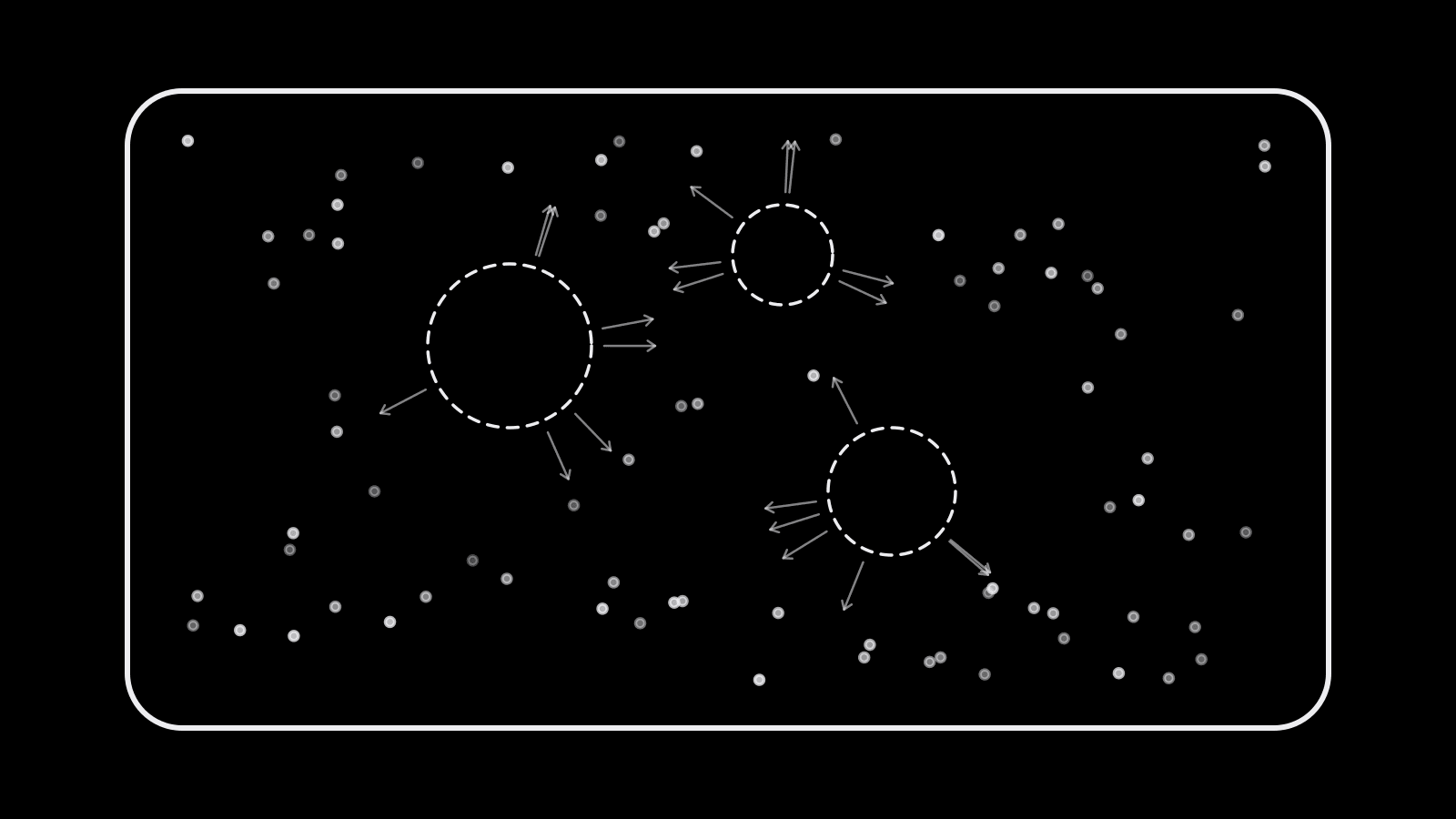
Smart+ ad groups can also be switched to custom targeting, which brings back the full set of manual demographic, interest, device, and audience options. Use it when you have a real reason to constrain delivery, like a product that ships only to certain states. Otherwise, the practical move in Smart+ is to put your effort into exclusions and creative, since those are the inputs the system cannot override.
Regional and category caveats
- Household income and ZIP code targeting are US only. Plan UK, Canada, or Australia campaigns without them.
- Food and drink advertisers targeting the UK, Australia, New Zealand, or the EU may need to flag the ad group as promoting HFSS (high fat, salt, or sugar) products, and UK campaigns have an additional less-healthy-food compliance setting.
- Under-18 audiences have restricted targeting options on TikTok, and in the EU the Digital Services Act bans ads based on profiling of minors.
- Special ad categories (housing, employment, credit, and similar) require all genders, ages 18 and up, and rule out ZIP codes, household income, lookalikes, and interest keywords. See special ad categories.
Frequently asked questions
What targeting options does TikTok Ads offer?
TikTok offers demographic targeting (location, age, gender, language, household income, spending power), interest and behavior targeting (interests, purchase intention, video, creator, and hashtag interactions), custom and lookalike audiences, device targeting, and Smart Targeting, which lets the system expand beyond your selections when it expects better results.
Should I use broad targeting on TikTok?
For most performance campaigns, yes. TikTok's own guidance favors broad audiences, and the creative does much of the audience selection. Use narrow targeting when there is a hard business constraint, such as shipping regions, and use custom audiences mainly for exclusions and retargeting.
What is the minimum audience size for a TikTok custom audience?
A custom audience built from a customer file needs at least 1,000 matched people before it can be targeted in an ad group. Newly created audiences can take up to 48 hours to become usable.
Can you target by interests in TikTok Smart+ campaigns?
Yes, but in the default automatic mode, interests and behaviors are audience suggestions: hints that guide delivery without restricting it. Only audience controls (location, minimum age, languages, and exclusions) act as hard limits. Switching the ad group to custom targeting restores manual interest targeting.
With broad targeting, results come down to the creatives you feed each ad group. upload.ad lets your team review TikTok and Meta creatives and bulk upload the approved ones straight into your ad accounts. Start free.
Veikka Grundström, Founder
I build upload.ad, the creative library and review workflow media buying teams use to get ads from edit to live on Meta and TikTok. I write about the parts of that job that waste the most time: creative testing, platform specs, review approvals, and the API behaviour nobody documents properly.