Blog / · 6 min read
Facebook special ad categories: 2026 rules and targeting limits
 Veikka Grundström Founder, upload.ad
On this page
If you advertise a job, an apartment, a loan, a credit card, insurance, or a cause, Meta wants to know before your ad runs. Declaring a special ad category strips most of the targeting you are used to, and skipping the declaration gets ads rejected or paused. Most people learn the rules one error message at a time.
Here is what each category covers in 2026, exactly what targeting goes away, and how to build campaigns that still perform inside the limits.
The four special ad categories
Every Meta campaign has to answer the special ad category question, even if the answer is "none". The current categories:
| Category | What it covers | Why it exists |
|---|---|---|
| Housing | Home sales and rentals, real estate listings, mortgage and home insurance offers, related services | Fair housing law |
| Employment | Job openings, internships, job boards, recruiting for certification programs | Equal employment law |
| Financial products and services | Credit cards, auto and personal loans, mortgages, banking, investment, insurance | Fair lending law, broadened to all financial products |
| Social issues, elections or politics | Ads about candidates, elections, legislation, and debated social topics | Political ad transparency |
The naming changed recently. The old category was Credit. In early 2025 Meta replaced it with Financial products and services, which is broader: it covers banking, investing, and insurance, not only credit offers. Since January 2025 advertisers based in the US, or showing ads to people in the US, must use it for any financial product campaign. Tutorials that still say "Credit" are out of date.
Where the rules apply
The audience restrictions started in the US and have spread:
- United States: housing, employment and credit since late 2019, extended to all financial products and services in January 2025.
- Canada: housing, employment and credit since December 2020.
- Europe: housing, employment and credit since December 2021, for advertisers reaching European audiences.
The trigger is where you are based or who you reach. A UK agency running a rental campaign into the US gets the US rules. An advertiser outside these regions, reaching audiences outside them, still has to answer the question but can choose whether to opt in to the restrictions.
Social issues, elections and politics works differently. It does not restrict targeting the same way. It requires you to complete ad authorization in the country you are advertising in and to carry a "Paid for by" disclaimer. Note that Meta stopped running political, electoral and social issue ads in the EU entirely in October 2025, citing the EU's new political advertising regulation, so this category is currently unavailable for EU delivery.
What targeting you lose
For housing, employment, and financial products and services campaigns covered by the rules above, Meta enforces these limits with hard errors:
- Age is fixed at 18 to 65+. You cannot narrow it. (Meta does let credit advertisers in Europe pick a different age range where local rules require it.)
- Gender is all genders. No selection.
- No ZIP or postal code targeting, and no location exclusions. You can still target countries, states, regions, and cities.
- A minimum radius around specific locations. Any city, address, or dropped pin expands to at least 15 miles (25 km) in the US and Canada. Some other countries use a smaller minimum.
- Detailed targeting is cut back. Demographic and behavior targeting is gone, many interests are removed, and all detailed targeting exclusions are off.
- No lookalike audiences, including Advantage+ lookalike, and no lookalike exclusions.
- No saved audiences that break the rules. Meta updates saved audiences to comply when you use them.
- No bid multipliers, and Reach and Frequency buying is disabled for these categories.
Custom audiences from your own customer lists can still be used where Meta marks them eligible for the category, but you cannot use audiences to exclude people.
The country field most people miss
Any campaign with a special ad category must also carry a special ad category country setting (special_ad_category_country if you build through tools or scripts). For housing, employment, and financial products and services it defaults to the tax country on your ad account when you leave it empty.
That default causes a quiet failure: an ad account with a US tax country that targets Canada or the UK can have its ad sets rejected because the declared country does not match where the ads run. List every country the campaign actually targets. For social issues campaigns, the country must also be one where you and the Page are authorized.
Advantage+ and automation inside a special ad category
The restrictions push you toward broad delivery anyway, so automation mostly helps. A few specifics:
- Advantage+ lookalike is unavailable. Any setup that depends on lookalike expansion will not carry over.
- Advantage+ catalog ads using home listing catalogs must be declared as housing and follow the same restrictions.
- Greyed-out options are enforcement. If a campaign type or audience option disappears after you declare the category, build a manual campaign with broad targeting instead.
How to perform well inside the limits
Accounts that do well here stop fighting the targeting:
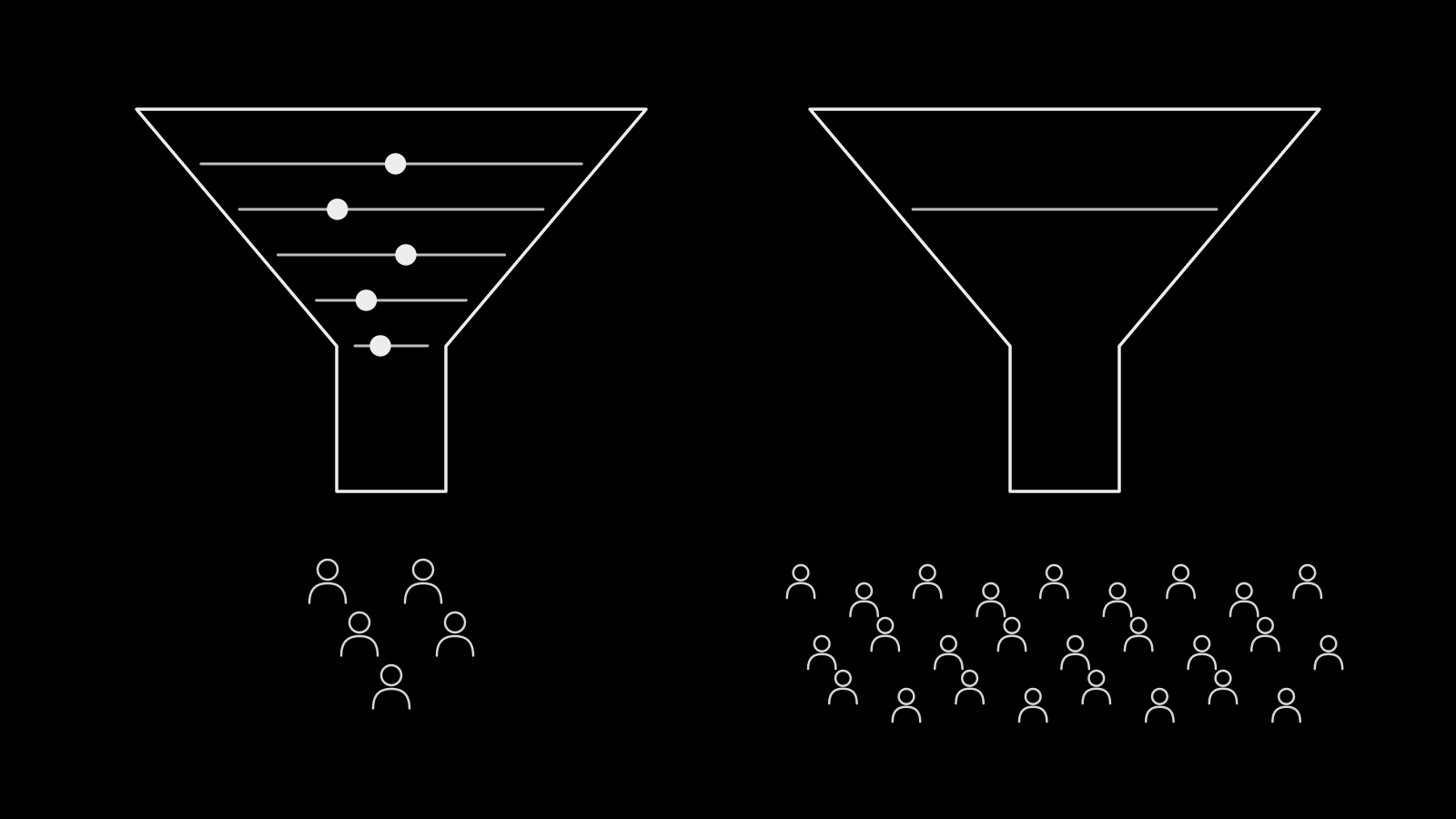
- Creative does the targeting. When you cannot pick the audience, the ad has to select it. Name the job title, the neighborhood, or the loan type in the first second of the video and the first line of the text. This is the same logic as broad targeting in any account.
- Signal quality matters more. With less targeting input, the optimization event carries the weight. Clean pixel and server-side events (Conversions API) and a real conversion event, not a click, give delivery something to learn from.
- Consolidate. Narrow geo splits that used to be separate ad sets now overlap heavily. Fewer, bigger ad sets exit the learning phase faster.
- Declare honestly. Meta also uses reviewers and machine learning to find undeclared ads. Mislabeled campaigns get rejected or paused mid-flight, and repeated problems feed into account restrictions.
Frequently asked questions
What are Facebook special ad categories?
They are campaign labels Meta requires for ads about housing, employment, financial products and services, and social issues, elections or politics. Declaring housing, employment, or financial products and services limits targeting to prevent discrimination. Declaring social issues requires authorization and a "Paid for by" disclaimer.
Is credit still a special ad category on Facebook?
Not under that name. In January 2025 Meta replaced the Credit category with Financial products and services, which covers credit offers plus banking, investment, and insurance. Credit ads are a subset of it and the credit rules still apply in the US, Canada, and Europe.
What age range can I target with a special ad category?
For housing, employment, and financial products and services, age is fixed at 18 to 65+ and cannot be narrowed. The one exception Meta documents is credit ads in Europe, where advertisers can set a different range to meet local requirements.
Can I use custom audiences in a special ad category campaign?
Customer list custom audiences can be used when Meta marks them eligible for the category. Lookalike audiences, saved audiences that break the rules, and audience exclusions are not allowed.
What happens if I don't select a special ad category?
If your ad falls into one of the categories and you declare none, Meta can reject it or pause the campaign until you fix the declaration. Repeated policy problems can escalate to ad account restrictions.
Special ad category campaigns win on creative that speaks to the right person without targeting help. upload.ad keeps those creatives reviewed, approved, and moving into your Meta and TikTok accounts in one batch. Start free.
Veikka Grundström, Founder
I build upload.ad, the creative library and review workflow media buying teams use to get ads from edit to live on Meta and TikTok. I write about the parts of that job that waste the most time: creative testing, platform specs, review approvals, and the API behaviour nobody documents properly.