Blog / · 4 min read
UGC ads: why they win and how to brief creators
Veikka Grundström Founder, upload.ad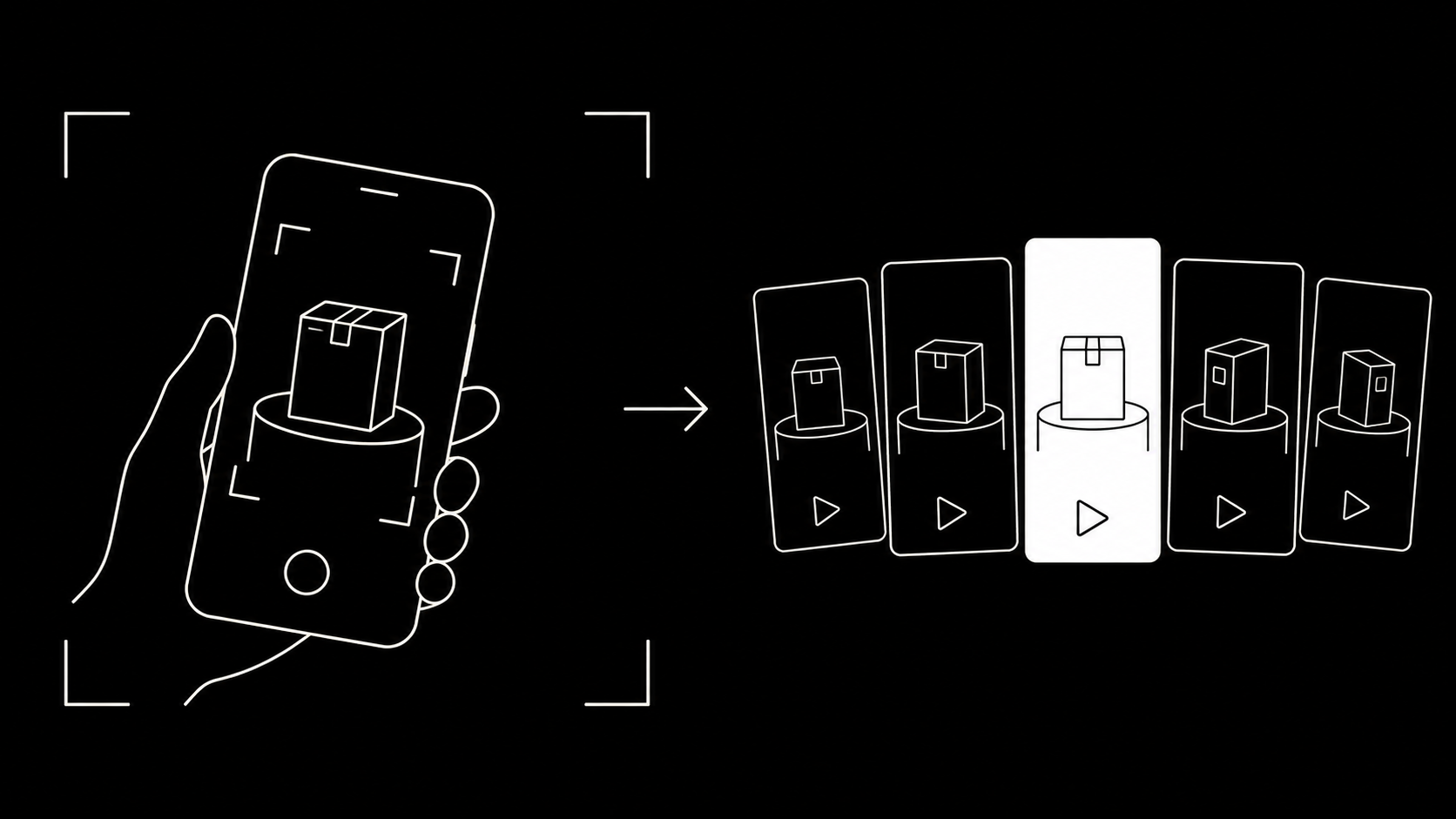
On this page
Scroll any winning ad account on Meta or TikTok and the pattern is hard to miss: the best performers look like they were filmed on a phone by a customer, because they more or less were. UGC ads (user-generated content, in practice creator-generated content commissioned by brands) have been the dominant paid social format for years now, and the gap keeps widening on TikTok.
Here is why UGC works, what to pay for it, how to brief creators so the footage is actually usable, and how to handle rights.
Why UGC outperforms polished creative
- It matches the feed. Native-looking content does not trigger the mental ad-skip that studio footage does. On TikTok this is nearly a requirement; the platform's own mantra is that ads should look like TikToks.
- It carries borrowed trust. A person recommending a product reads as testimony; a brand praising itself reads as advertising. Same claim, different credibility.
- It is cheap enough to test at volume. One studio production buys 20 to 50 creator videos. Since creative testing is a volume game, the format with the lowest cost per variation wins structurally, almost regardless of per-asset quality.
UGC is not automatically better; a bad creator video is still a bad ad. It wins because it lets you take more shots at the concepts that matter.
Sourcing creators, from free to expensive
- Your customers. Post-purchase emails asking for video reviews. Lowest volume, highest authenticity.
- UGC marketplaces and platforms (Billo, Insense, TikTok's own creator marketplace, and dozens more). Typical rates in 2026 run $60 to $250 per video for straightforward product content, more for niches requiring credibility (finance, health) or proven performers.
- Direct outreach to small creators in your niche. More work, better fit, and the good ones become long-term partners.
- Repurposing organic winners. A creator's organic post about your product can be boosted directly through TikTok Spark Ads, keeping their handle and engagement on the ad.
The brief that gets usable footage
Most bad UGC traces back to the brief. The fix is to brief outcomes and structure, not scripts. Word-for-word scripts produce the stilted delivery you hired a creator to avoid.
A brief that works fits on one page:
- The one message the video must land ("you can set this up in five minutes"), plus 2 to 3 proof points to weave in
- Hook options. Ask for the first 3 seconds shot 3 to 5 different ways; hooks are the highest-variance element and hook swaps are your cheapest refresh later
- Structure, not script: hook → problem → product in use → result → CTA, with rough timing (20 to 35 seconds total)
- Mandatories and prohibitions: claims they must not make (compliance), features to show on screen, pronunciation of the brand
- Technical spec: vertical 9:16, 1080 x 1920, clean audio, good light, raw files delivered separately from the edit so your editor can re-cut. Full specs in our TikTok guide
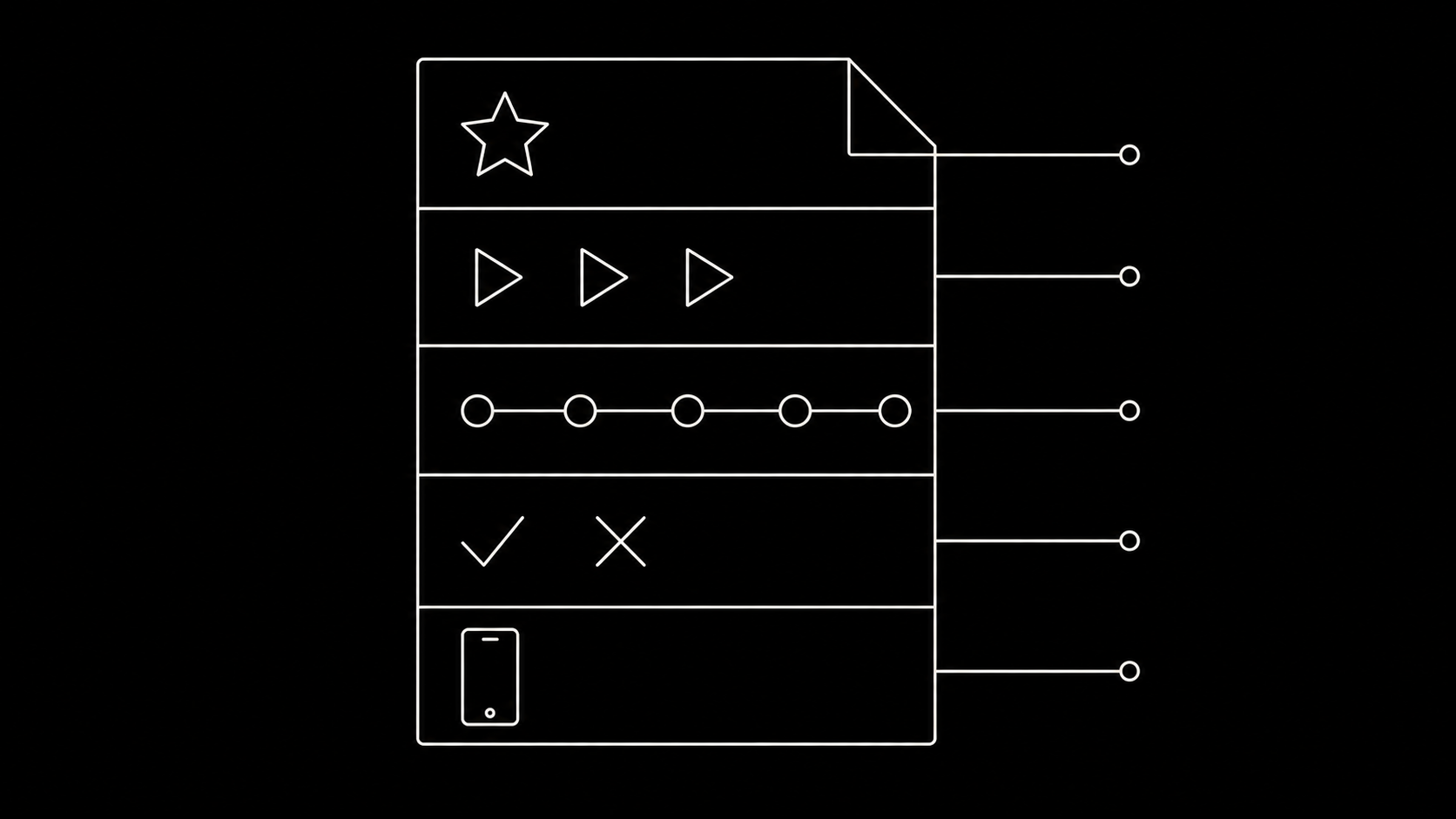
Always order multiple hooks and multiple CTAs per video. One filming session then yields 6 to 12 test variations in the edit instead of one.
Rights and disclosure, the part that bites later
- Usage rights are not implied. Pay for and paper the specific rights: paid usage on which platforms, for how long (30/90/365 days or perpetual), and whether you may edit and remix. Perpetual buyouts cost more upfront and are usually worth it for winners.
- Whitelisting is a separate grant. Running ads from the creator's own handle (Spark Ads on TikTok, partnership ads on Meta) needs their explicit authorization through each platform's flow, on their timeline.
- Disclosure applies to ads too. Branded content run as ads should use the platforms' paid partnership tooling where applicable; undisclosed endorsements are an FTC problem in the US and similar elsewhere.
- Track expiry dates. A winning ad whose usage window lapses mid-scale is a self-inflicted emergency. Put rights windows in the same tracker as your creative names.
From footage to live ads
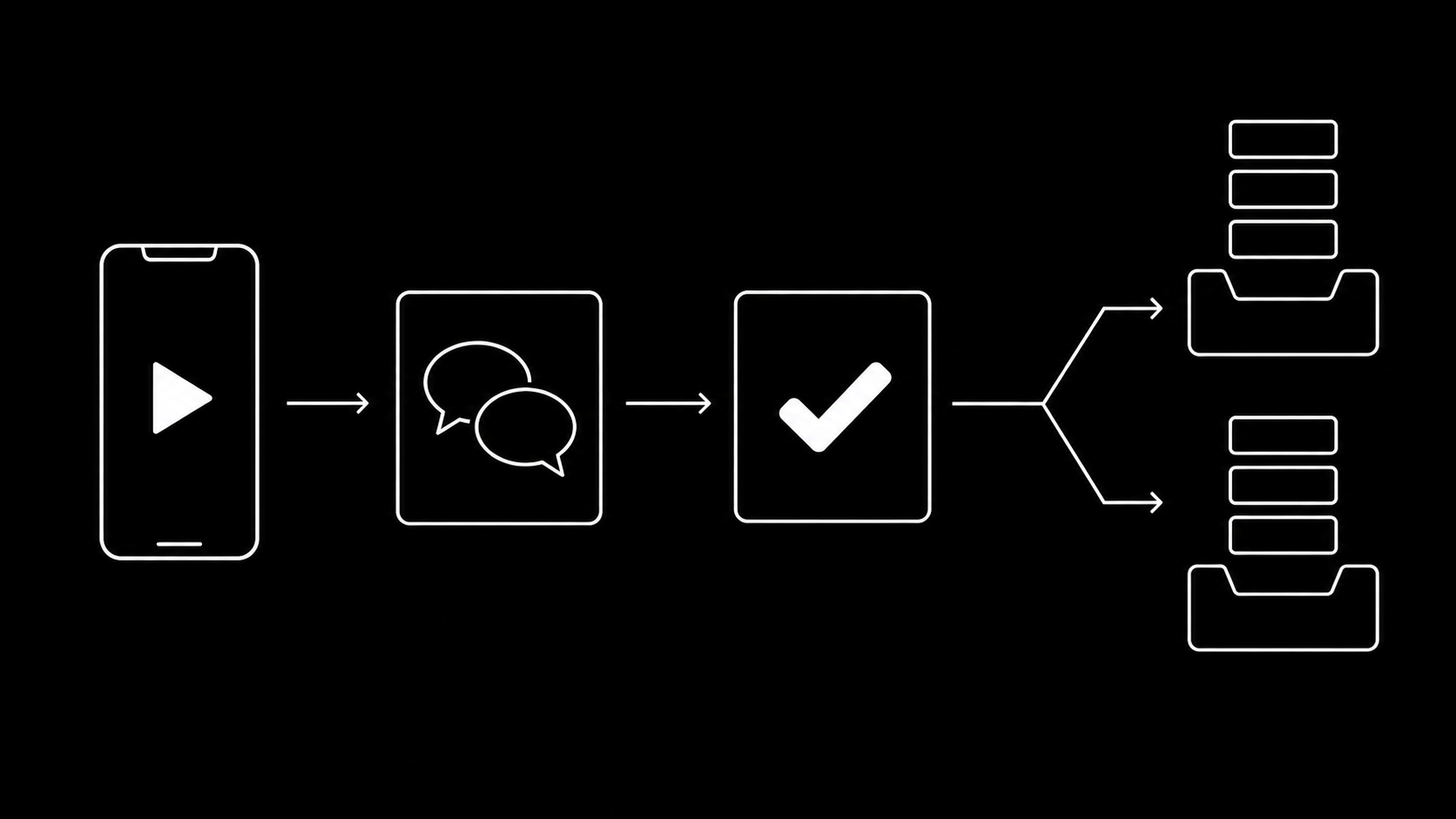
A healthy UGC pipeline produces a lot of files: raw takes, hook variants, re-cuts per platform, aspect crops. The operational tail is where weeks disappear: getting each round reviewed and approved by the brand (and often legal), then uploaded to two ad platforms. Teams running UGC at volume standardize this: one review link per batch for approvals, then the approved set delivered to Meta and TikTok in one upload through upload.ad.
Frequently asked questions
What does UGC mean in advertising?
Content in the style of a real user, filmed by customers or (more often) paid creators, and used in paid ads. Distinct from influencer marketing: you are buying the content, not the creator's distribution.
How much do UGC ads cost?
In 2026, typical creator rates run $60 to $250 per finished video, with premiums for regulated niches, proven performance, or broad usage rights. Add editing costs if you re-cut internally, which you should.
Do UGC ads work on Facebook or just TikTok?
Both. The format originated from TikTok's native style but UGC consistently ranks among top formats on Meta feed, Reels, and Stories placements as well.
Do I need creator permission to run their content as ads?
Yes, always: contractual usage rights for the footage, and separate platform-level authorization if you run ads from their handle (Spark Ads authorization codes on TikTok, partnership ads permissions on Meta).
Shooting more UGC is easy; shipping it is the bottleneck. Start free with upload.ad and move every approved batch into Meta and TikTok in one drop.
Veikka Grundström, Founder
I build upload.ad, the creative library and review workflow media buying teams use to get ads from edit to live on Meta and TikTok. I write about the parts of that job that waste the most time: creative testing, platform specs, review approvals, and the API behaviour nobody documents properly.