Blog / · 4 min read
Ad creative fatigue: spot it early, refresh it cheaply
Veikka Grundström Founder, upload.ad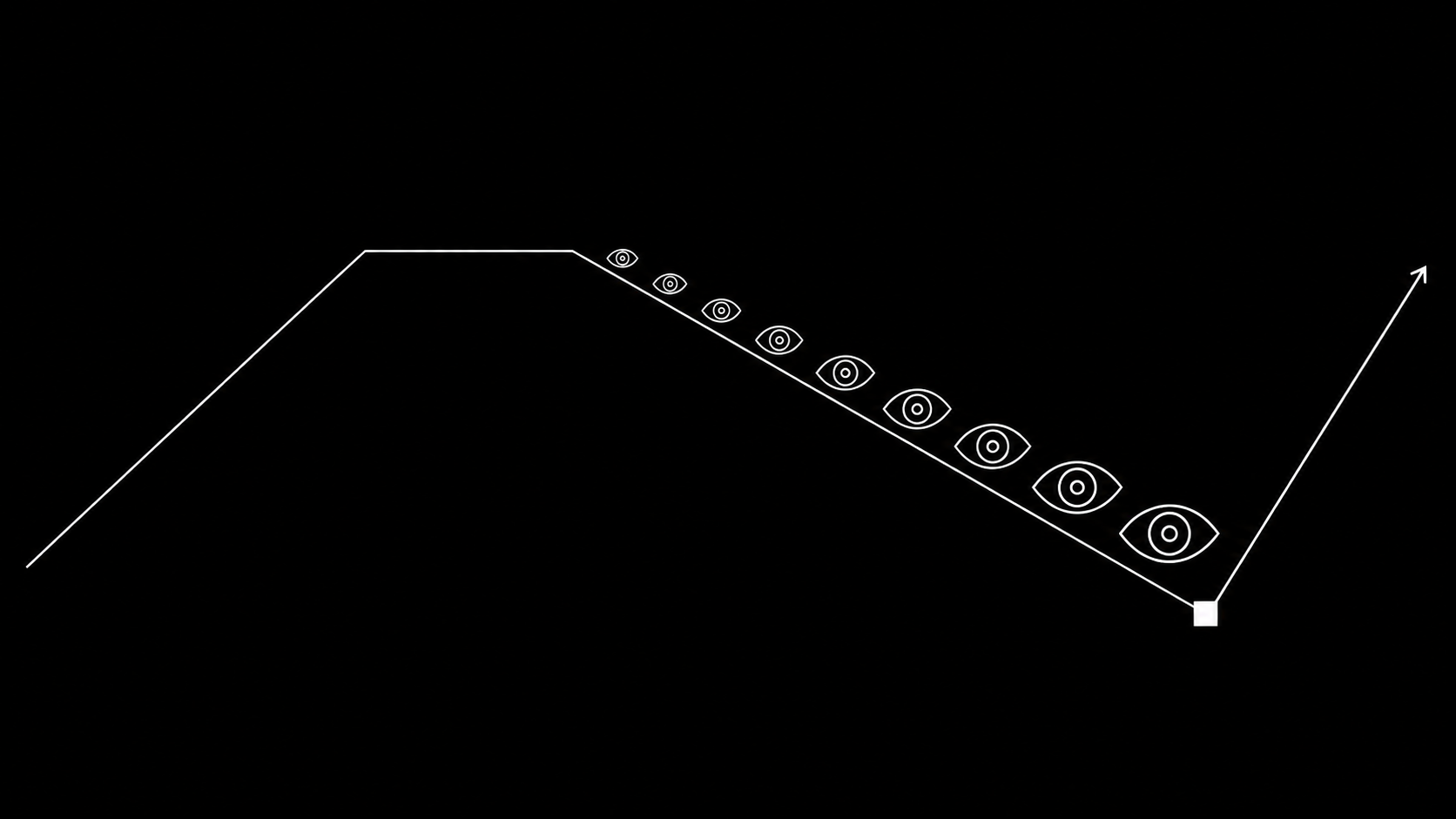
On this page
Every winning ad dies. The only variables are how fast, whether you saw it coming, and whether a replacement was ready. Creative fatigue is the single most predictable performance problem in paid social, and most teams still handle it reactively: CPA doubles, someone screenshots the graph, and a scramble begins.
Here is how to spot fatigue early, how fast it actually happens on Meta versus TikTok, and the refresh system that makes it a non-event.
What creative fatigue is
Fatigue is your audience having seen the ad enough that it stops working. The auction does not "punish" old creatives out of spite; engagement drops as novelty wears off, falling engagement lowers ad quality in the auction, and costs rise until the ad is uncompetitive. It is a feedback loop with a one-way direction.
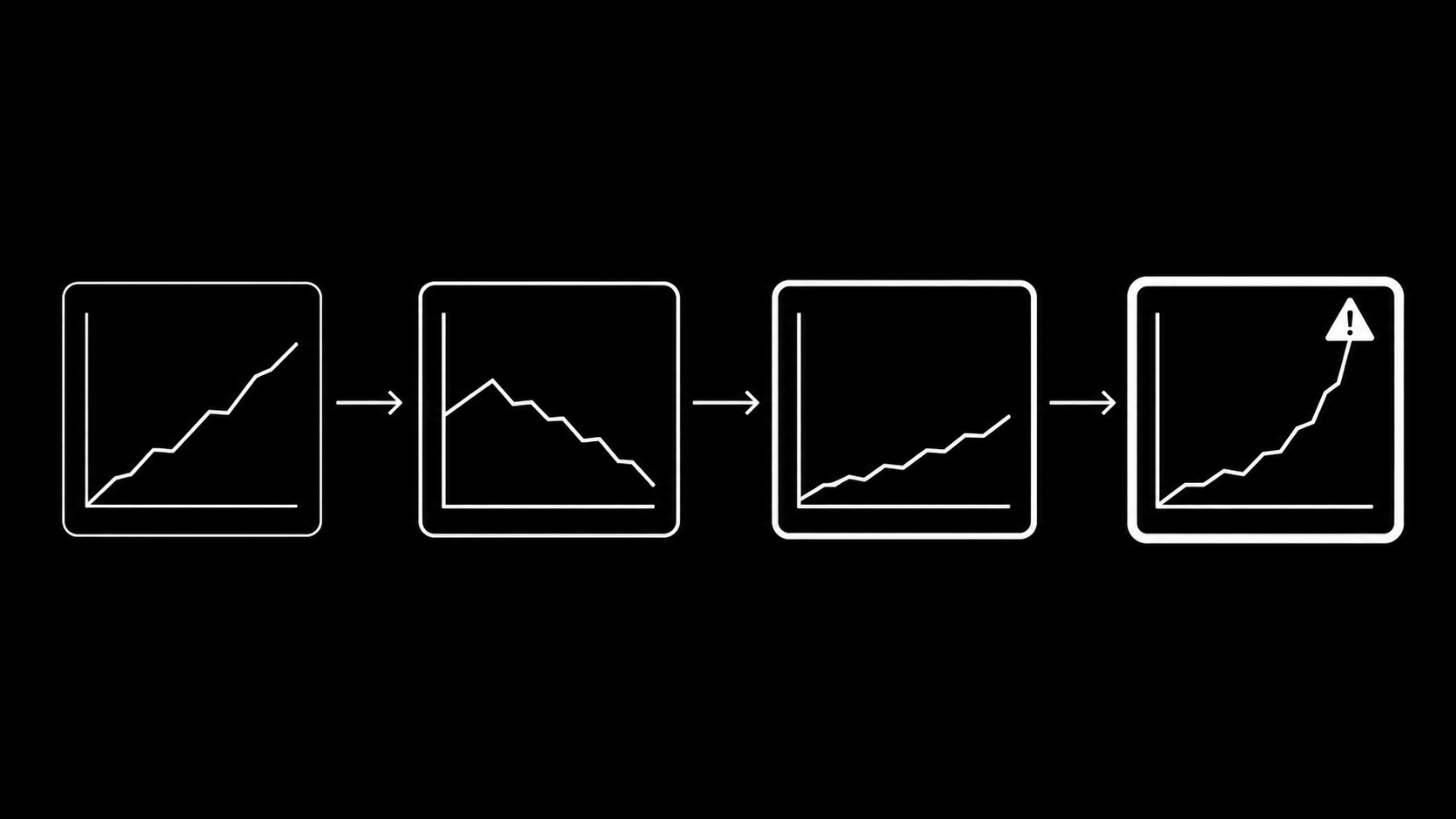
The metric chain is consistent: frequency climbs → CTR and hook rate slip → CPM rises → CPA rises. CPA is the last domino, which is why teams that only watch CPA always find out late.
Early warning signals, in the order they appear
- Frequency trending up week over week (Meta shows it directly; on TikTok, watch reach flattening while impressions grow)
- Hook rate (3-second views / impressions) declining from the ad's own baseline
- CTR down 20%+ from the ad's first-week average
- CPM creeping while nothing changed in targeting or budget
- CPA above target, the lagging confirmation
Compare each ad against its own early baseline, not against account averages. A UGC ad and a static comparison graphic have different natural CTRs; both fatigue relative to themselves.
How fast fatigue hits
Rules of thumb from high-spend accounts:
| Context | Typical creative lifespan |
|---|---|
| TikTok, broad targeting | Days to ~2 weeks |
| Meta, broad targeting, big audience | 2 to 8 weeks |
| Meta, narrow retargeting audience | Days; small pools burn fast |
| Evergreen winner at moderate spend | Months, with slow decay |
The spend-to-audience ratio drives everything: a $2k/day ad set into a 500k-person audience fatigues roughly ten times faster than the same spend into 50 million. TikTok's feed simply cycles content faster, so refresh cadence there is weekly business, not monthly.
The refresh hierarchy: cheapest fix first
Not every fatigued ad needs a new shoot. Work down this ladder:
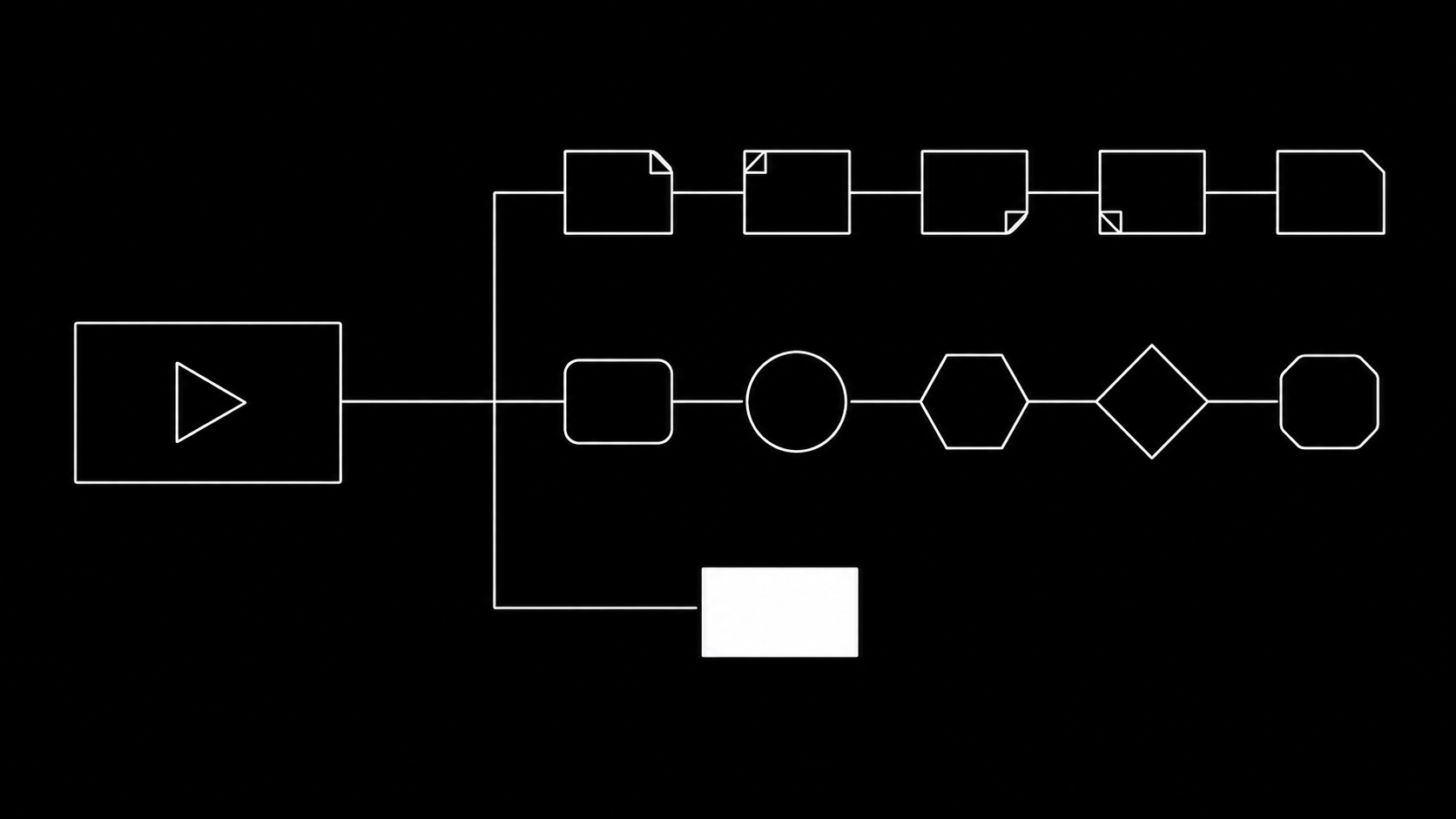
- New hook, same body. Swap the first 2 to 3 seconds. For video, this is the highest-leverage 10 minutes in editing, and often resets performance for weeks.
- New format, same message. The winning video becomes a static, a carousel, a different aspect crop, a text-overlay variant.
- New angle, same concept. Same product benefit argued through a different persona, objection, or setting.
- New concept. The real replacement, fed by your testing pipeline.
Iterations 1 to 3 are why winners should be treated as templates, not artifacts. A concept that took 40 tests to find deserves ten descendants before it retires.
Running refresh as a system
The teams that never get surprised by fatigue do three boring things:
- A weekly fatigue review with fixed thresholds (for example: frequency above 4 on Meta retargeting, CTR down 25% from baseline, CPA 20% over target for 3 days) so "is it fatigued?" is a lookup, not a debate.
- A bench. For every concept spending meaningfully, 2 to 3 approved descendants sit ready in the ad account before the incumbent dies. This is where logistics kill most teams: the variations exist on someone's drive, unreviewed and not uploaded. Keeping the bench stocked is a review-and-upload pipeline problem, not a creative problem.
- Retire winners into a library, not a graveyard. Fatigued is not dead forever; audiences refresh, seasons return, and a proven concept can often relaunch to a new segment or market months later.
Frequently asked questions
What frequency is too high for Facebook ads?
For prospecting, discomfort usually starts around 3 to 4 in a 7-day window; retargeting tolerates more. But frequency is context: judge it together with CTR decay from the ad's own baseline rather than as a magic number.
How often should I refresh ad creative?
On TikTok, plan for new creative weekly to biweekly. On Meta, monthly refreshes with a stocked bench cover most accounts. High spend into small audiences needs faster cycles in both cases.
Does refreshing creative reset the learning phase?
Adding new ads to an existing ad set can re-trigger exploration on Meta. Many teams launch refreshed creatives in new ad sets or via their testing structure instead; see our learning phase guide.
Can a fatigued ad recover on its own?
Sometimes delivery finds new pockets of audience and performance wobbles back temporarily, but the trend does not reverse on its own. Budget shifts away from a fatigued ad are a delivery system telling you what it thinks.
Fatigue is only an emergency when the bench is empty. Keep approved variations flowing into both ad accounts with upload.ad: review, approve, and deliver batches to Meta and TikTok in one motion. Start free.
Veikka Grundström, Founder
I build upload.ad, the creative library and review workflow media buying teams use to get ads from edit to live on Meta and TikTok. I write about the parts of that job that waste the most time: creative testing, platform specs, review approvals, and the API behaviour nobody documents properly.