Blog / · 4 min read
Facebook ad sizes and specs in 2026: every placement
Veikka Grundström Founder, upload.ad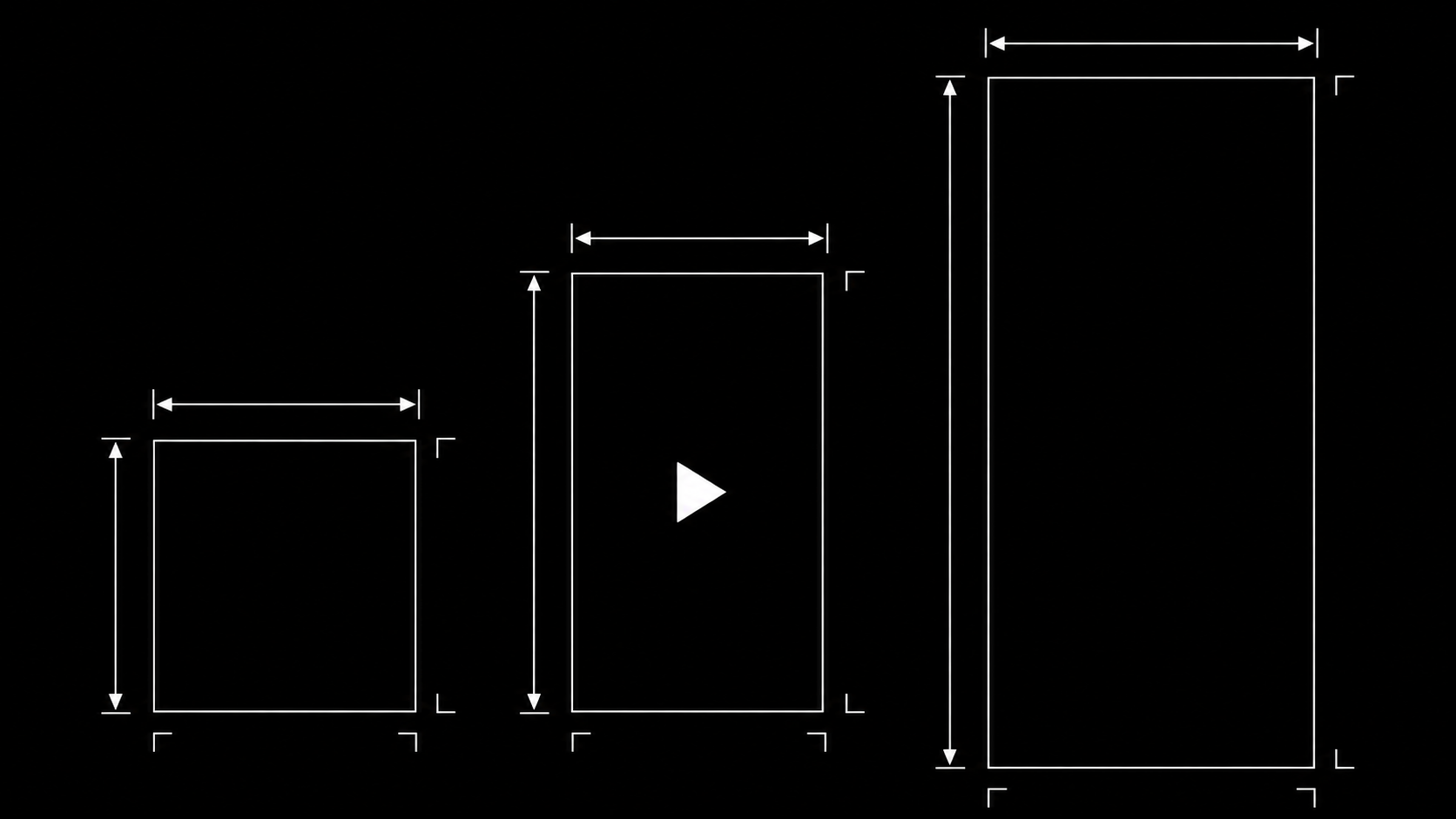
On this page
Every media buyer has a tab with Meta's spec sheet open somewhere, because nobody memorizes whether a Stories video caps at 60 seconds or the carousel card count. This page is the version worth bookmarking: every size, ratio, and file limit for Facebook and Instagram ad placements in 2026, plus the safe zones and the export profile that passes review the first time.
The three ratios that cover everything
Meta serves ads across dozens of placements, but in practice you export three masters:
| Master | Ratio | Resolution | Covers |
|---|---|---|---|
| Square | 1:1 | 1080 x 1080 | Feed, carousel, right column, search |
| Vertical | 4:5 | 1080 x 1350 | Feed (mobile), where it earns more screen than 1:1 |
| Full vertical | 9:16 | 1080 x 1920 | Stories, Reels, and full-screen placements |
If you produce only one video, make it 4:5 and let Meta crop for feed, but accept that Stories and Reels will letterbox it. Teams running full-screen placements seriously always export the 9:16 master separately.

Image ad specs
- File type: JPG or PNG
- Max file size: 30 MB
- Minimum width: 600 px, but export at 1080 px or more; Meta downsamples cleanly, it does not upscale cleanly
- Feed: 1:1 (1080 x 1080) or 4:5 (1080 x 1350)
- Stories: 9:16 (1080 x 1920)
- Right column: 1.91:1 (1200 x 628), desktop only
- Text on image: the old "20% text rule" was retired years ago. Text-heavy images no longer get rejected, but they still tend to be penalized by the auction indirectly through lower engagement.
Video ad specs
- File type: MP4, MOV, or GIF; MP4 with H.264 is the safe default
- Max file size: 4 GB
- Max length: 241 minutes on paper; in practice 15 to 60 seconds for feed, up to 60 seconds for Stories, up to 15 minutes for Reels
- Resolution: 1080 x 1080 (1:1), 1080 x 1350 (4:5), or 1080 x 1920 (9:16)
- Frame rate: up to 60 fps, 30 fps is standard
- Audio: AAC, 128 kbps or higher
- Captions: most feed video is watched muted, so burned-in or uploaded captions are effectively mandatory for performance
Carousel ads
- Cards: 2 to 10
- Format per card: 1:1, 1080 x 1080, image or video mixed freely
- Image size: 30 MB per card; video 4 GB per card
- Headline: roughly 32 characters display before truncation
Text limits that actually show
Meta accepts long text but truncates aggressively in most placements:
| Field | Shown before "See more" |
|---|---|
| Primary text | ~125 characters |
| Headline | ~27 characters (feed) |
| Description | ~27 characters, not always shown |
Write so the first 125 characters of primary text work standalone. Everything after the fold is for the minority who expand.
Stories and Reels safe zones
Full-screen placements overlay UI on your creative. Keep text, logos, and CTAs out of:
- Top ~14% of the frame: profile ring, account name, sponsored label
- Bottom ~20% (Stories) to ~35% (Reels): CTA button, caption block, engagement icons
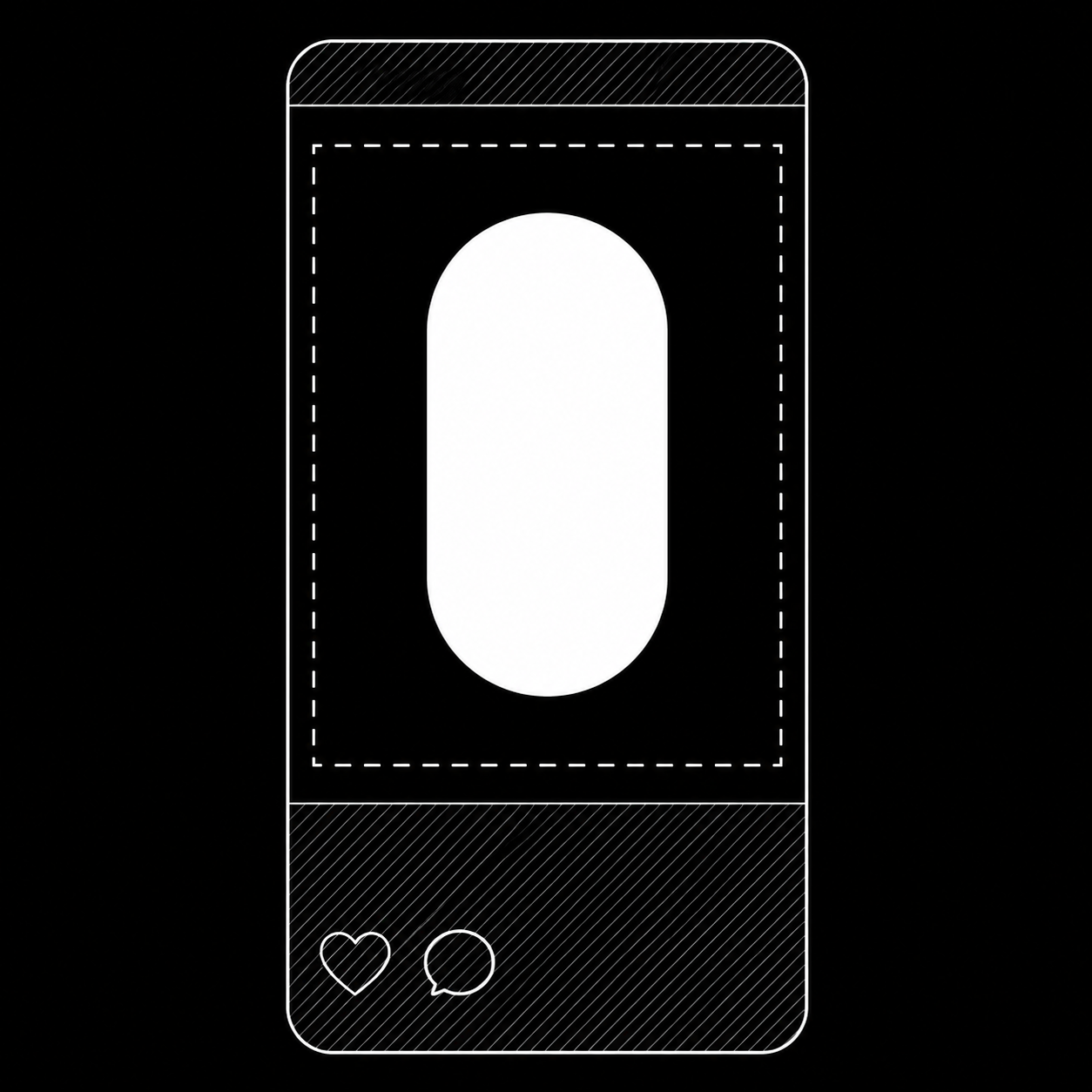
Center-weighted composition passes both, and it also passes TikTok, whose zones are similar but not identical; see our TikTok specs guide if you run both platforms from one master.
The export profile that never bounces
- MP4 container, H.264 codec, High profile
- 1080 px wide masters in 1:1, 4:5, and 9:16
- 30 fps, VBR 2-pass, target 8 to 12 Mbps
- AAC audio at 128 kbps or higher, even if the video "works" muted
- sRGB color; wide-gamut exports shift on most feeds
Frequently asked questions
What is the best Facebook ad size?
1080 x 1350 (4:5) for feed and 1080 x 1920 (9:16) for Stories and Reels. 4:5 takes the most feed real estate a single asset can get; 9:16 is full-screen.
What is the maximum video length for Facebook ads?
Technically 241 minutes. Practically, feed videos convert best under 60 seconds, and Stories placements cap the experience at 60 seconds per card.
Does the 20% text rule still exist?
No. Meta removed the hard enforcement in 2021. Text-heavy creatives are no longer rejected or explicitly limited, but they generally earn worse engagement, which costs you in the auction anyway.
Do Instagram and Facebook ads use the same specs?
Same ad account, same upload, same specs. The three masters above cover both apps; placement selection decides where each ratio serves.
Specs are the easy part; getting 50 correctly-exported files into the account is the slow part. upload.ad takes the whole batch in one drop, queued through the Marketing API. Start free, or read how bulk uploading works.
Veikka Grundström, Founder
I build upload.ad, the creative library and review workflow media buying teams use to get ads from edit to live on Meta and TikTok. I write about the parts of that job that waste the most time: creative testing, platform specs, review approvals, and the API behaviour nobody documents properly.